

An Elegant Terror
On the American writer and eternal enigma, Edgar Allan Poe


Edgar Allan Poe moves through literature like a pale, persistent refrain. His words ring like one of those melodies that returns when the fireplace flickers and wind speaks through the shutters. Born in Boston on Jan. 19, 1809, and dying in Baltimore on Oct. 7, 1849, Poe’s life was short, lit by fits of genius, and shadowed by loss. Yet his poems and tales, which make readers’ skin tighten and their minds swim with unease, outlived him by a great margin.
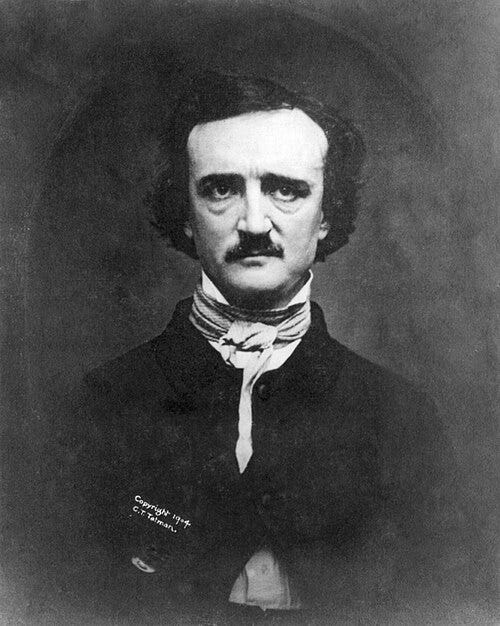
Orphaned young and taken into the household of John Allan in Richmond, Virginia, Poe’s early years braided southern memory with northern bustle. He made a profession of letters: editor, critic, poet, and the inventor of modern detective fiction. He published “The Raven” to an immediate public appetite in 1845 and had already given the world short stories that still disturb: “The Tell-Tale Heart,” “The Fall of the House of Usher,” “The Masque of the Red Death,” and “The Cask of Amontillado.” Those titles are less catalog entries than small rituals, each containing a mechanism for dread: obsessed narrators, precise cadences, architecture that seems to breathe, and deaths that feel somehow inevitable.
Poe’s mastery was both technical and atmospheric. He worked like a clockmaker, adjusting rhythms and repetitions until the reader’s own pulse synchronized with the prose. His terror is intimate: guilt imagined as a sound, grief rendered visible, the beloved turned stranger. He did not rely on external monsters. Instead, he turned inward, excavating the mind’s capacity for self-betrayal and fancy. This inwardness is why his work travels easily across time. It’s why a stanza can still unsettle us in our living rooms today as it did by gaslight in 1845.
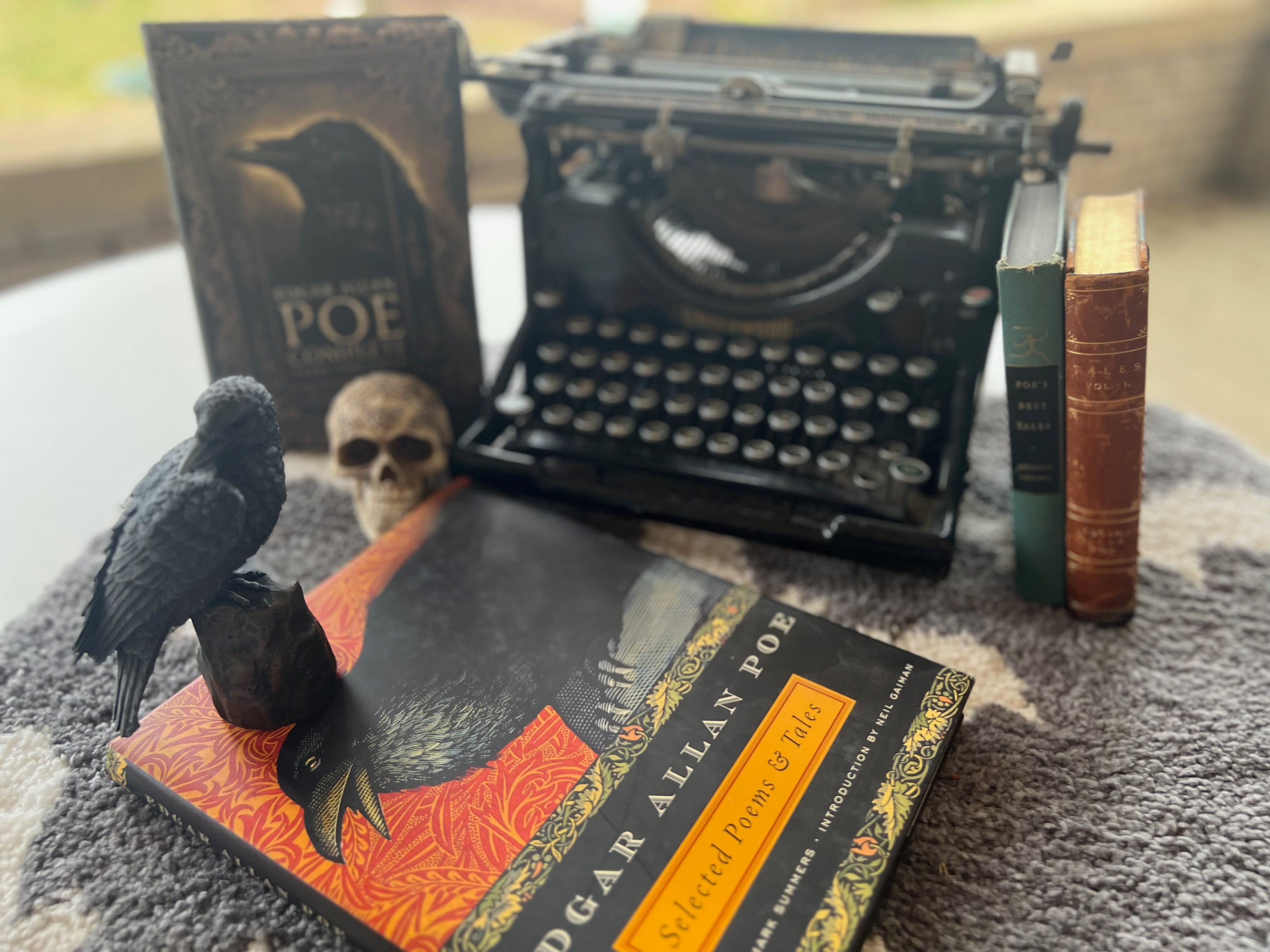
Beyond craft, Poe’s biography feeds the cultural haunting that surrounds his name. He died under circumstances that invited rumor. He was found delirious on the streets of Baltimore days before his death. His life was threaded with early bereavement, financial instability, and relationship scandals—including his marriage to Virginia Clemm, his 13-year-old cousin. Such facts have a way of making a writer’s works seem less like creations and more like confessions. They invite attentiveness and pique curiosity, but leave more mysteries than answers.
January, his birth month, has become a season of remembrance. Museums in Richmond and Baltimore mark the day with readings and small commemorations. For much of the 20th century and into the 21st, an anonymous figure known as the “Poe Toaster” visited Poe’s grave at Westminster Hall on Jan. 19 to leave roses and cognac. The ritual ceased in 2009, but the memory of the custom keeps the date resonant. Each year around that time, visitors to Poe museums in Richmond and Baltimore report a particular energetic charge in the galleries. Whether these experiences are the effects of suggestion, the weight of civic ritual, or some other subtler force matters less than the fact that certain dates have a power to call us back.
This is a useful aperture through which to view the “anniversary of absence.” Poe’s work as a master of the macabre shows how a creative life can anchor recurring experience. Birth and death anniversaries can be as potent at sites of tragedy. They scaffold cultural memory and invite the same psychological processes that produce apparitional reports at battlefields and houses of ill repute. The calendar does not merely count days, it shapes attention, and attention shapes what we call “haunting.” In the not-too-distant future, we plan to look closer at the phenomenon of why specific dates—fires, murders, disappearances, and yes, even birthdays—become focal points for paranormal claims.
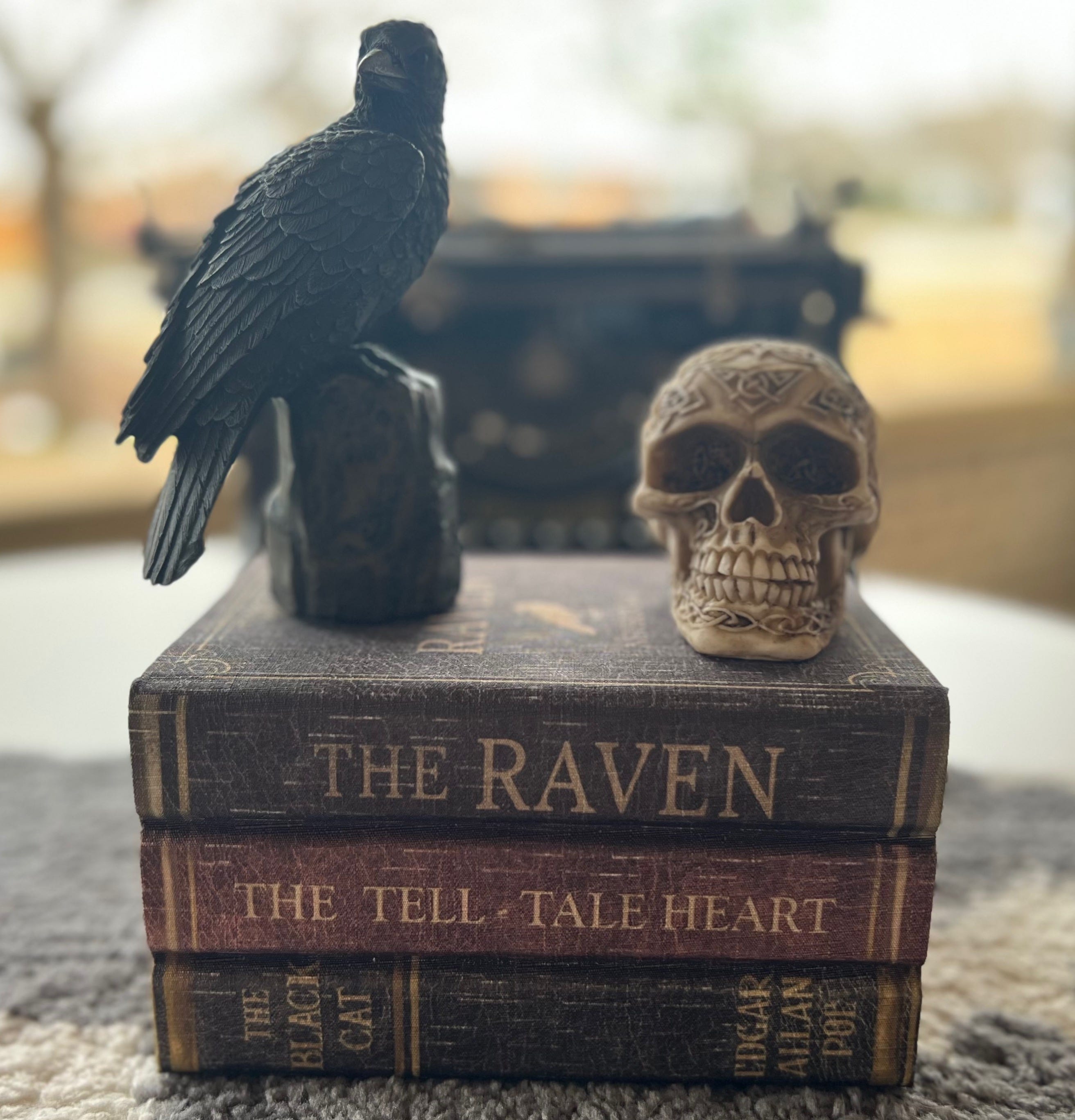
In the meantime, we gather on January afternoons to speak Poe’s lines aloud. We visit his rooms and his grave and, for a little while, attend to the same longings that filled his work: the ache for lost love, the fascination with the border between reason and delirium, the irresistible pull of narrative toward its own uncanny conclusion. For Grimrose Manor, Poe remains not only a model of elegant terror but also a reminder that certain lives (and certain dates) never wholly leave us. So, on this January 19, sit fireside with some cognac read Poe’s words and see what shadows flit in the corners.
For further reading:


Looking forward to your future writing on specific dates becoming associated with paranormal phenomenon. Very intrigued by that.