

When Chicago Stood Still
The Legacy of Valentine’s Day, 1929


On the morning of February 14, 1929, love was definitely not in the air. A routine winter day in Chicago broke into something terrible.
Men gathered in a modest carriage house at 2122 North Clark Street in the Lincoln Park neighborhood. They were bootleggers and hangers-on who worked for George “Bugs” Moran, a rival of Al Capone. Before the hour was out, all seven of them lay dead against a wall, executed with the cold efficiency of automatic weapons. The city woke to a photograph showing a new kind of war.
The Method
The killers arrived in uniforms. Two walked in dressed as policemen, ordering the men to line up as if preparing for a frisk. Then they opened fire with Thompsons (also known as Tommy guns) and shotguns. Seventy rounds from the submachine guns, according to contemporary reports, emptied into the room. Six victims died at the scene. One, Frank Gusenberg, staggered out and was taken to a hospital. He lingered long enough for the police to ask who shot him. He refused to name names. “Nobody shot me,” he is said to have replied, and died soon after.
The massacre was theatrical and precise, and that is why it shocked the nation. It was not simply another turf killing. It was a demonstration that gang warfare in the United States had reached a new scale. Newspapers seized on the brutality. Citizens who had tolerated speakeasies and rumrunning now saw how quickly lawlessness could spill into ordinary streets and leave bodies for morning crowds to gaze at in disbelief. The outrage contributed to a political moment that turned public opinion firmly against Prohibition and prompted law enforcement to pursue organized crime more seriously.
The Suspects
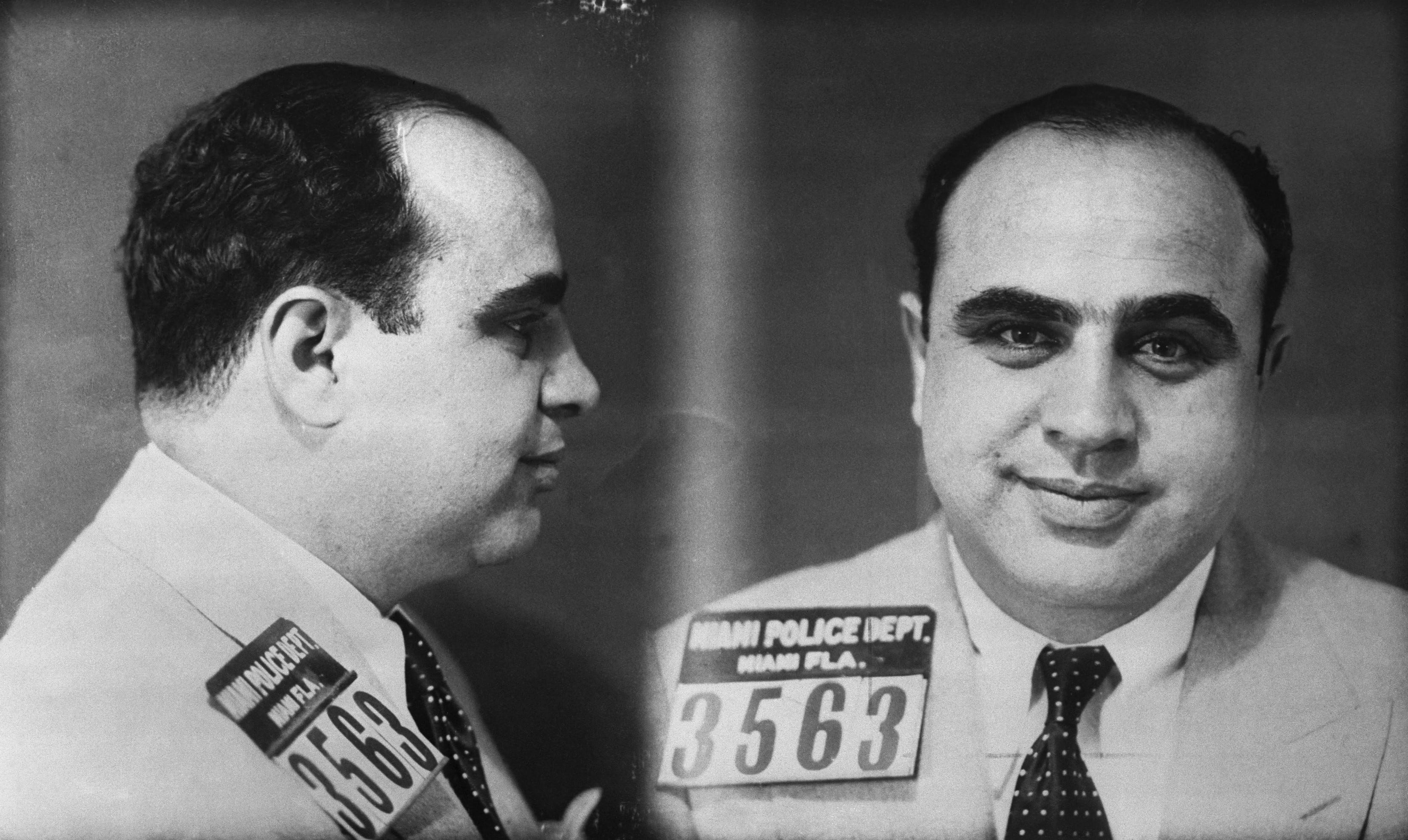
Everyone suspected Al Capone and his men. Capone remained in Florida when the bodies were found, maintaining what the newspapers called “an ironclad alibi.” He denied involvement with the sort of theatrical indignation that convinced no one.
The evidence and the files that followed pointed in several directions. Some investigators pointed to Capone’s lieutenants and to hired gunmen who specialized in disguise and subterfuge. Others traced the weapons to men who later fled the Midwest. The massacre did what it was meant to do. It crippled Moran’s ability to challenge Capone, and it consolidated fear across Chicago. The city’s gang war had found its most notorious headline.
The Dead
The victims were ordinary to underworld eyes: soldiers in a small, violent economy. They included Adam Heyer; Frank and Pete Gusenberg; John May, a mechanic who happened to be there that morning; Albert Weinshank; Albert Kachellek (aka James Clark); and Dr. Reinhardt H. Schwimmer, an optometrist who liked to keep company with gangsters, drawn to the glamour without understanding the price.
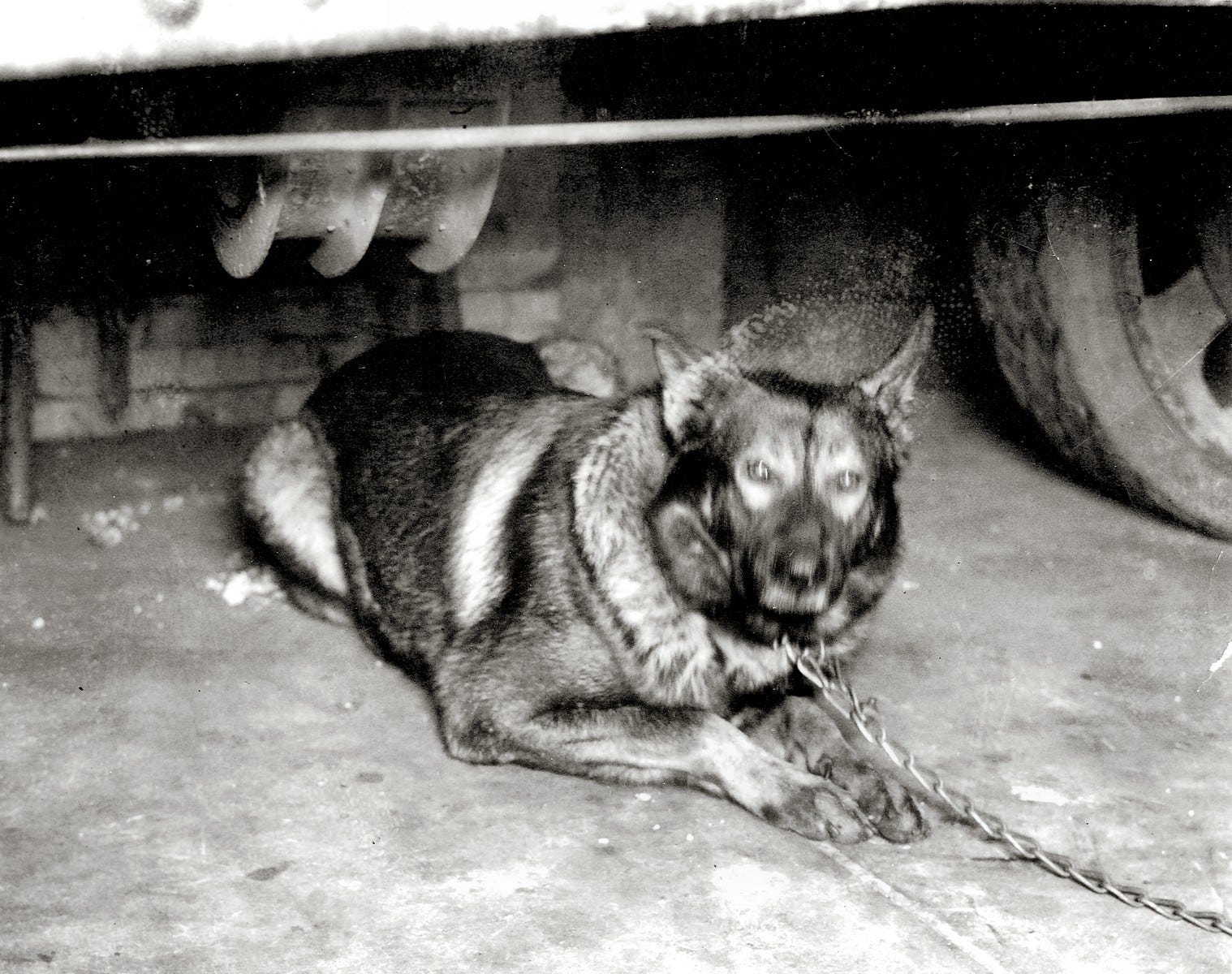
These were names that, until that morning, belonged to closed circles and local newspaper pages. After the massacre, they belonged to the national conversation about crime and punishment. The only surviving witness was Highball, May’s distraught German Shepherd, whose howling alerted neighbors to the scene.
What February 14th Means Now
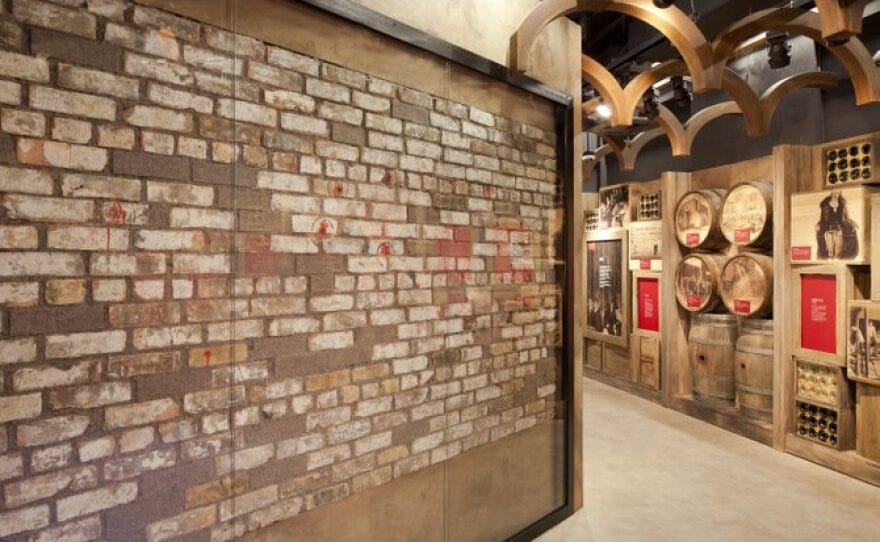
The St. Valentine’s Day Massacre changed Chicago. It changed a nation’s appetite for Prohibition and pressed law enforcement to rethink its approach to organized crime. The Mob Museum in Las Vegas now preserves bricks from that garage wall, the very masonry scarred by bullets. The FBI’s files show chronic attempts to pin names to shadows. Yet the case resists tidy closure.
The garage where the massacre happened was demolished in 1967. A side yard for a seniors’ apartment development now occupies the land.
Here’s the narrative that endures: The killers staged a mock arrest, using the image of authority as camouflage for murder. By turning the trappings of law into props for violence, they revealed something Americans didn’t want to see. The line between order and chaos had grown dangerously thin.
In that garage, on that winter morning, Americans were forced to see what their grand experiment in legislated morality had wrought. Prohibition had promised to make the nation better. Instead, it created an underworld so powerful it could dress as law enforcement and execute seven men in broad daylight on supposedly the most romantic day of the year.
We still live in that Chicago where violence wears a uniform, where authority can be performed by anyone with the right costume—where the difference between order and chaos is sometimes just a matter of who’s holding the gun. The massacre didn’t invent these truths. It simply photographed them in such stark terms that we’ve never been able to look away.
Every Valentine’s Day, while the living celebrate love, the dead on North Clark Street remind us that sometimes a single morning can change what a nation believes about itself forever.
For further reading:


I've heard of this event but wasn't aware of how closely it was linked with Prohibition. Thanks for the lesson!