

A Dark Inheritance
Inspiration from the Graveyard Poets


It’s no secret that we love cemeteries here at Grimrose Manor. I’ve personally been lingering amongst the tombstones since I was a baby bat listening to The Smiths’ “Cemetry Gates” on repeat:
So we go inside and we gravely read the stones
All those people, all those lives
Where are they now?
There is something so captivating about reading epitaphs and wondering about the existence of strangers who have passed on. It’s deeply human to be curious about what they must have experienced in their lifetimes, which may feel remote and distant from our own. But there is much we share in common. If you’re open to such ruminations, a cemetery walk can be quite inspiring.
And indeed, many a poet has found inspiration while visiting burial grounds. The aforementioned Smiths songs mentions Keats, Yeats, and Wilde, but before they took up their pens came an 18th century British group known as the Graveyard Poets (or sometimes the Churchyard School, since back then most cemeteries were adjacent to churches).
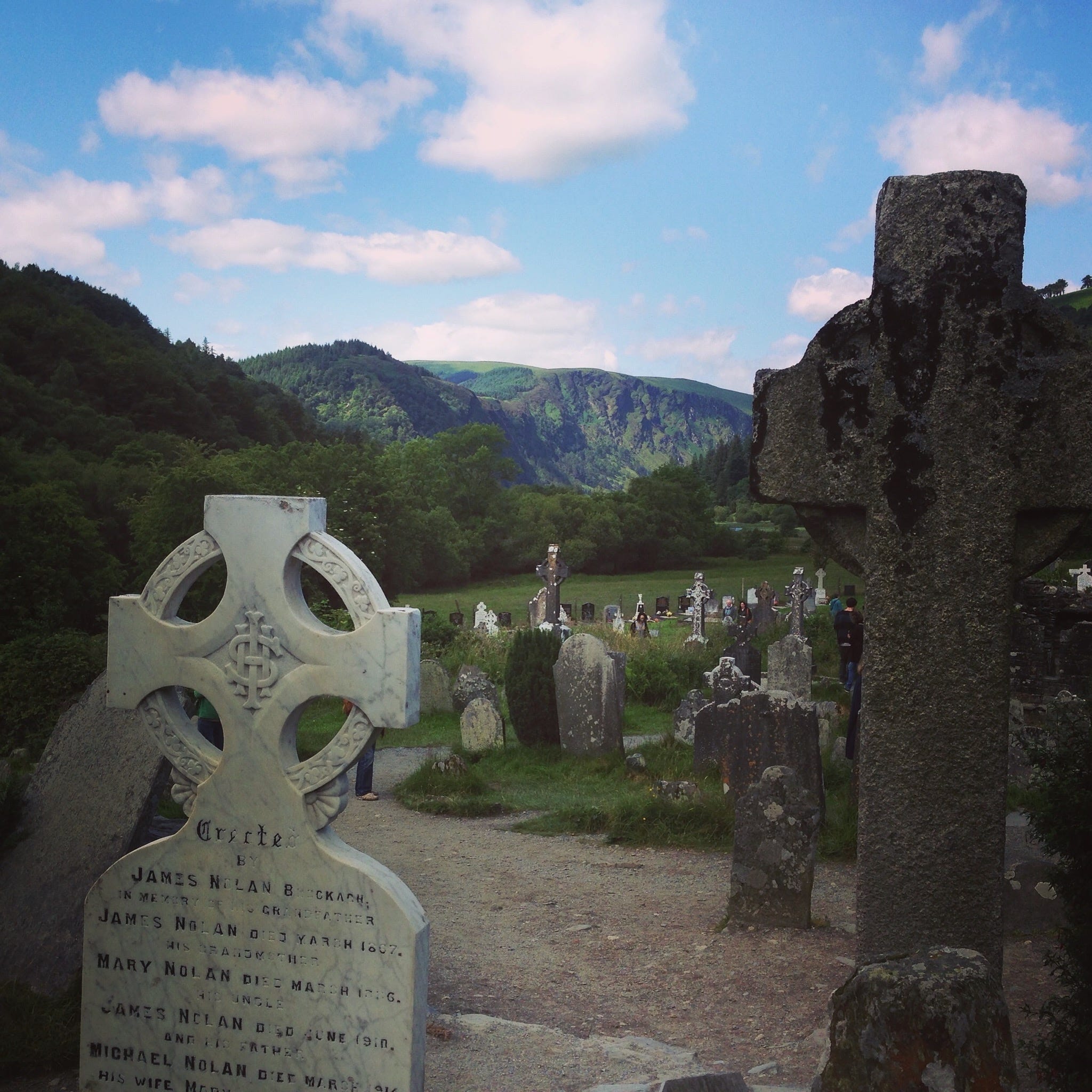
The Eternal Subject
Ushering the Enlightenment into the Romantic literary movement, these poets were known for penning meditations on mortality, be they about cemeteries themselves or specific to bereavement and the transitory nature of human life. As such, they are often credited with being a precursor to the gothic literary genre. In their reaction to the rationalism of the 1700s, they—like us—knew that contemplating death was not morbid, but necessary.
While I won’t attempt to provide any literary analysis, here are a few of the poets credited with popularizing this type of work:
Thomas Parnell (“A Night-Piece on Death,” 1721)
Edward Young (“The Complaint: or Night Thoughts on Life, Death, and Immortality,” 1742)
Robert Blair (“The Grave,” 1743)
Thomas Gray (“Elegy Written in a Country Churchyard,” 1751)
William Cowper (“Inscription for the Tomb of Mr. Hamilton,” 1788)
Thomas Gray’s “Elegy,” in particular, was widely lauded in its day and is now perhaps known for the phrase, “the paths of glory lead but to the grave.” If you’re intrigued to learn more about it but find archaic language rather intimidating, I highly recommend this close reading video by former Harvard professor Adam Walker to help unlock this poem.
Alternatively, if you prefer, you could watch videos of a guy who literally recites poems from memory in a graveyard (although none of his selections appear to be from the Graveyard Poets—an oversight, I’m sure.)
Crossing the Veil, or the Atlantic
The influence of the Graveyard Poets continued to impact British literature and even crossed the ocean to impact a couple of our favorite 19th century American poets:
Edgar Allan Poe, whom we’ve written about previously, was quite melancholic and experienced a great deal of loss in his 44 years. This was beautifully underscored in the PBS “American Masters” documentary episode called Edgar Allan Poe: Buried Alive, which we recently watched.
Emily Dickinson grew up near a cemetery, watching funeral processions pass by. One of my all-time favorite poems happens to be “I died for beauty” which is written from the perspective of an already buried corpse chatting with the person next door. Our friend Sarah over at The Silent Sod is currently creating a literary themed cemetery tour for West Cemetery in Amherst, Mass., where Dickinson is buried. We highly recommend following her fascinating series on that.
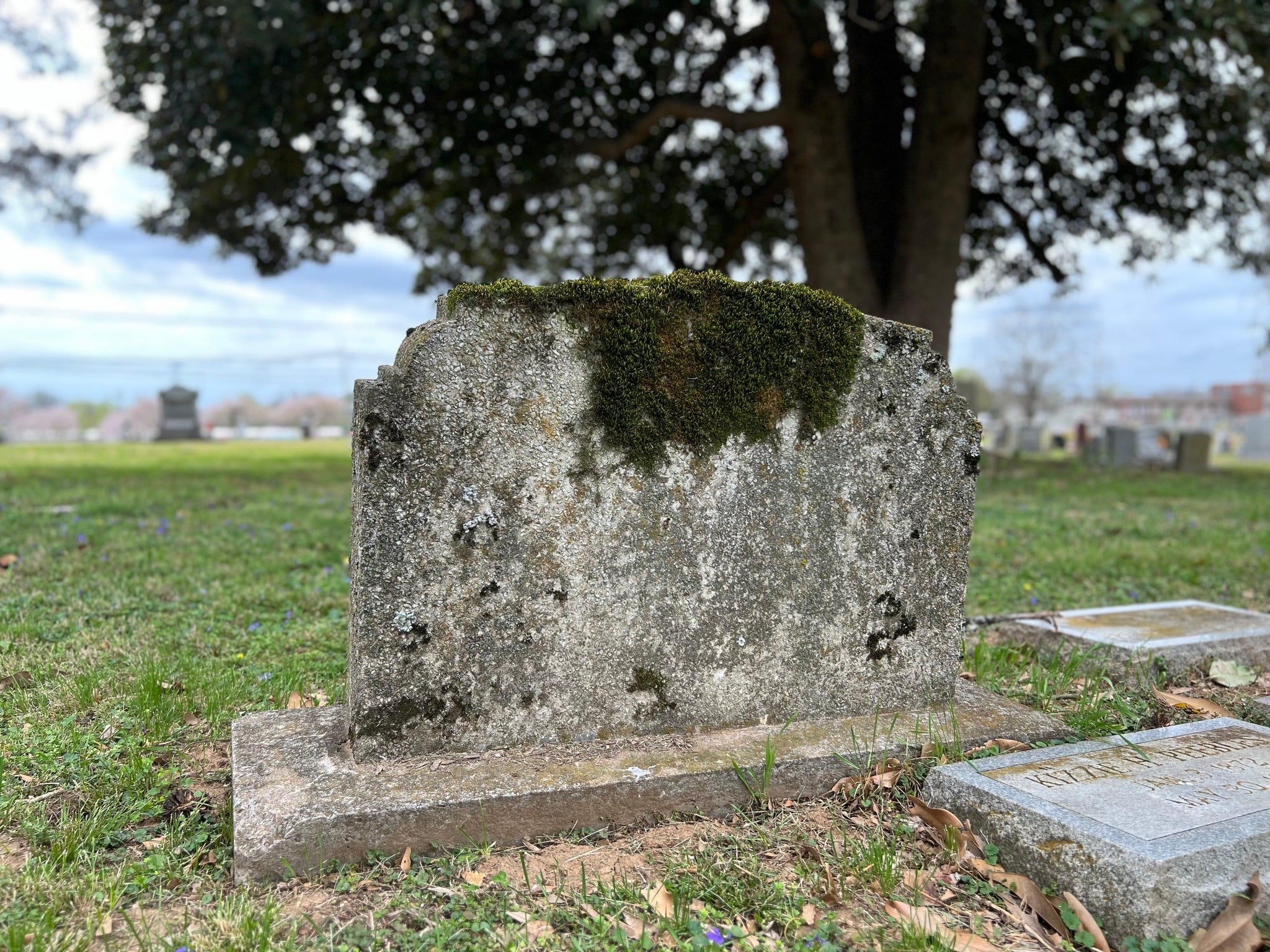
Perhaps you, too, find yourself feeling thoughtful when visiting cemeteries. We encourage you to find time to not only take a quiet walk and observe the graves, but to listen and let the stones elicit your own poetic voice. Take a notebook and jot down whatever catches your eye. Follow the thread where it leads.
If you happen to be near the Shoals in Northwest Alabama on Saturday, April 18th, at 10 a.m., Grimrose Manor will be co-hosting a Cemetery Poetry event facilitated by Florence City’s Poet Laureate, Shannon Milliman. We hope to meet likeminded locals with melancholic dispositions at the Florence City Cemetery for some group contemplation.
A dreaded sunny day
So I meet you at the cemetery gates
Keats and Yeats are on your side
While Wilde is on mine
For further reading:


Thanks so much for the shout out, and I hadn't read "I died for Beauty" before. So glad to have that reference as I continue to shape my tour.