

The Calendar’s Quiet Work
How anniversaries of disappearance and death draw us back


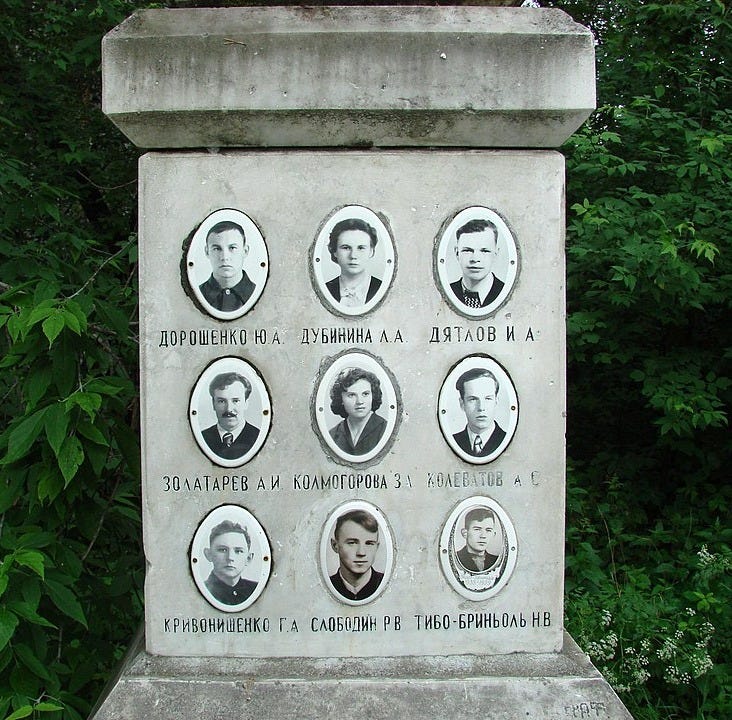
Each year, as the final days of January give way to February, public attention (from those who have heard of the tragedy) returns to a frozen slope in Russia’s Ural Mountains where nine hikers vanished and died in 1959. I first encountered the Dyatlov Pass incident some 15 years ago, and the mystery has lingered with me ever since. It refuses closure.
The deaths occurred on the night of February 1-2, yet the weeks leading up to that date are filled with renewed articles, documentaries, forum debates, and speculation. The pattern is so reliable it feels deliberate, as though the calendar itself were summoning the secret back into the light. Dates draw attention. Attention, when focused long enough, begins to feel uncomfortably like presence.
We also just passed the 40th anniversary of the ill-fated 73-second flight of the Space Shuttle Challenger, killing all seven crew aboard. Numerous odes, remembrances, and attention were paid to that disaster this past week.
We saw a gentler version of this phenomenon recently at Grimrose Manor while marking the January 19 birth of Edgar Allan Poe. Museums in Richmond and Baltimore host readings and commemorations each year, and with them come familiar reports of heightened energy and strange occurrences. The boundary between remembrance and something more elusive grows thin. Celebration becomes invocation.
The Mountain That Remembers
Dyatlov Pass remains compelling precisely because it is haunted by uncertainty. Investigations have proposed everything from powerful katabatic winds to slab avalanches to classified military activity. In 2020, Russian officials concluded that an avalanche caused the hikers’ deaths, describing their final moments as “a heroic struggle.” The explanation was sober, even respectful, yet it did not settle the matter. The evidence studied by hundreds of curious people over nearly 70 years caused many to question that assessment. Other theories persist, ranging from secret weapons tests to a Yeti attack.
Unresolved endings exert a particular gravity. They deny narrative rest. Absence hardens into a recurring question, one that returns each year with the date, pulling the living back to the scene as faithfully as any tide.
Gettysburg’s July Drums
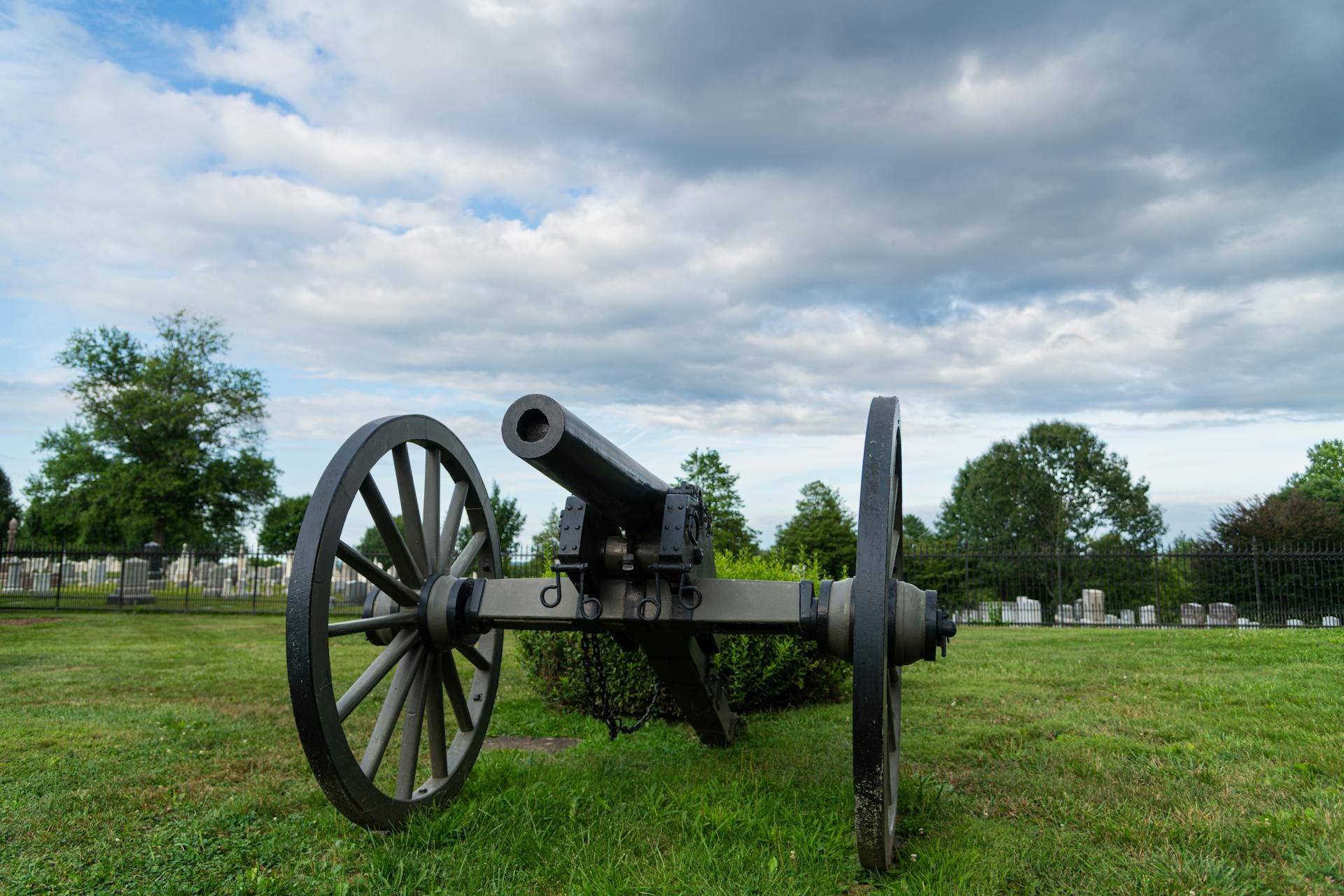
The calendar’s recurring gravity appears in more familiar ways as well. Each July, the fields of Gettysburg fill with reenactors, memorial services, and visitors tracing the lines of a battle that ended in 1863. Alongside the ceremonies come the stories: phantom drums rolling across the grass at dusk, figures in Union blue glimpsed at a distance, voices carried on still air.
Folklorist Jeff Belanger once remarked that Gettysburg is haunted because it should be haunted. Scale matters. So does repetition. Annual commemorations, guided tours, and roll calls of the dead condition visitors to listen closely.
“We all die twice. The first time is when we simply cease to be;
the second, when we are forgotten.”
~ Amelia B. Edwards, 1863
Although its origins are debated, the concept of the second death has staying power for a reason. Anniversaries do not create the stories so much as keep them breathing.
The Queen’s May Morning
At the Tower of London, the execution of Anne Boleyn on May 19, 1536, still governs the haunting calendar. Staff and guides note that reports of sightings cluster around the anniversary, particularly in spring, when the story is retold with renewed intensity. Accounts often describe a quiet procession, a pale figure moving with purpose through familiar stone corridors.
Historic Royal Palaces does not claim these sightings as fact. It preserves the stories and the dates that anchor them. A dramatic death, fixed in time, revisited year after year. The pattern holds. Other notable deaths at the venue also purportedly bring high strangeness on their anniversaries as well.
The Bell Witch’s October Return
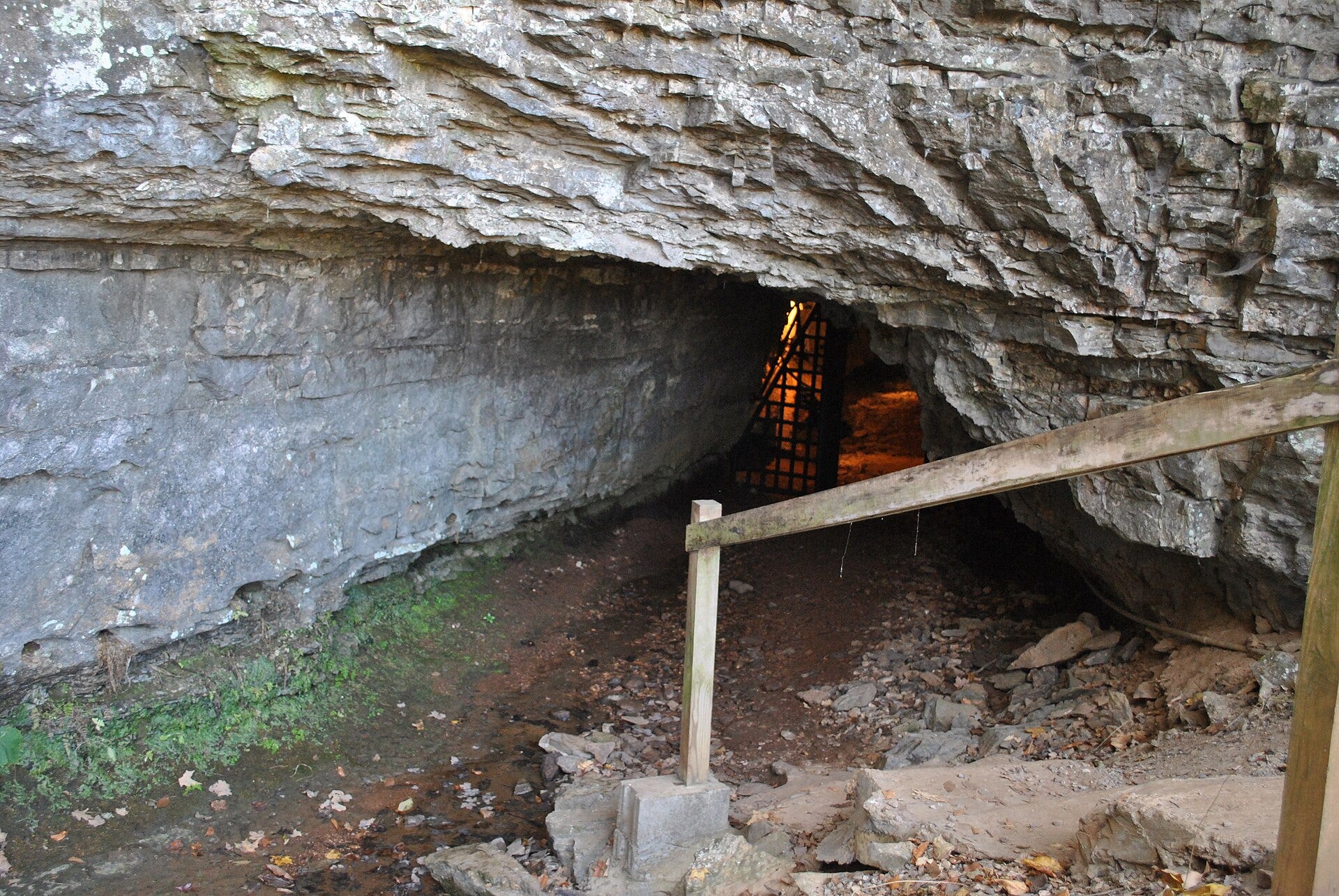
Few legends demonstrate the power of dates more clearly than the Bell Witch of Tennessee. The entity that tormented the Bell family in the early 19th century promised to return in 1935, and reports suggest it did. More striking still is the annual rhythm. Each October, as the anniversary of John Bell’s death approaches, visitors to the Bell Witch Cave describe increased activity. Equipment malfunctions. Sensations are reported. Local researchers have begun documenting the pattern.
Here, the haunting behaves almost seasonally, as dependable as migrating birds. The calendar does not merely mark the legend. It sustains it.
Why Dates Matter
Psychologists refer to “anniversary reactions,” in which traumatic dates intensify memory and emotional response. Public rituals amplify the effect. Reunions at Gettysburg. Documentaries revisited each winter. October tours and candlelit readings. Memory, expectation, and repetition converge, shaping what people notice and how they interpret it.
Yet the clinical explanation feels incomplete. When thousands of minds turn toward the same dark event on the same day each year, something collective takes place. Whether that attention creates the phenomena or simply sharpens our perception remains an open question.
Each anniversary is a kind of séance. We gather. We remember. We wait.
The calendar keeps time, but it also keeps appointments. Some were made long ago, with energies that never learned how to forget.
And year after year, when the date arrives, they seem to remember us.
For further reading:


